
Lower Your Long-Term Energy Costs With Precision Assembly
Energy-Efficient Factory-Built Homes in Montrose for homeowners managing Colorado's varied seasonal temperatures
Kopper Creek Building LLC builds energy-efficient factory-built homes in Montrose and across Colorado's Western Slope, where winters bring freezing temperatures and summers can push cooling systems hard. You want a home that maintains comfortable indoor temperatures without driving up utility bills, and factory construction delivers strong energy performance through controlled assembly conditions and precise installation of insulation, windows, and structural components. Indoor construction protects materials from moisture and temperature swings that can compromise thermal performance in site-built homes.
This approach works well when you need a home that performs efficiently year-round without relying on oversized HVAC systems or constant adjustments to thermostats. Because walls, floors, and ceilings are assembled indoors, crews can install high-performance insulation without gaps, seal air leaks more effectively, and install energy-efficient windows without exposure to weather during the critical assembly phase. Your factory-built home can include features such as modern HVAC systems, upgraded insulation levels, and tight building envelopes that reduce heat loss in winter and heat gain in summer.
If you are planning a new home and want to reduce energy costs while maintaining comfort through all seasons, contact Kopper Creek Building LLC to discuss design and efficiency options.
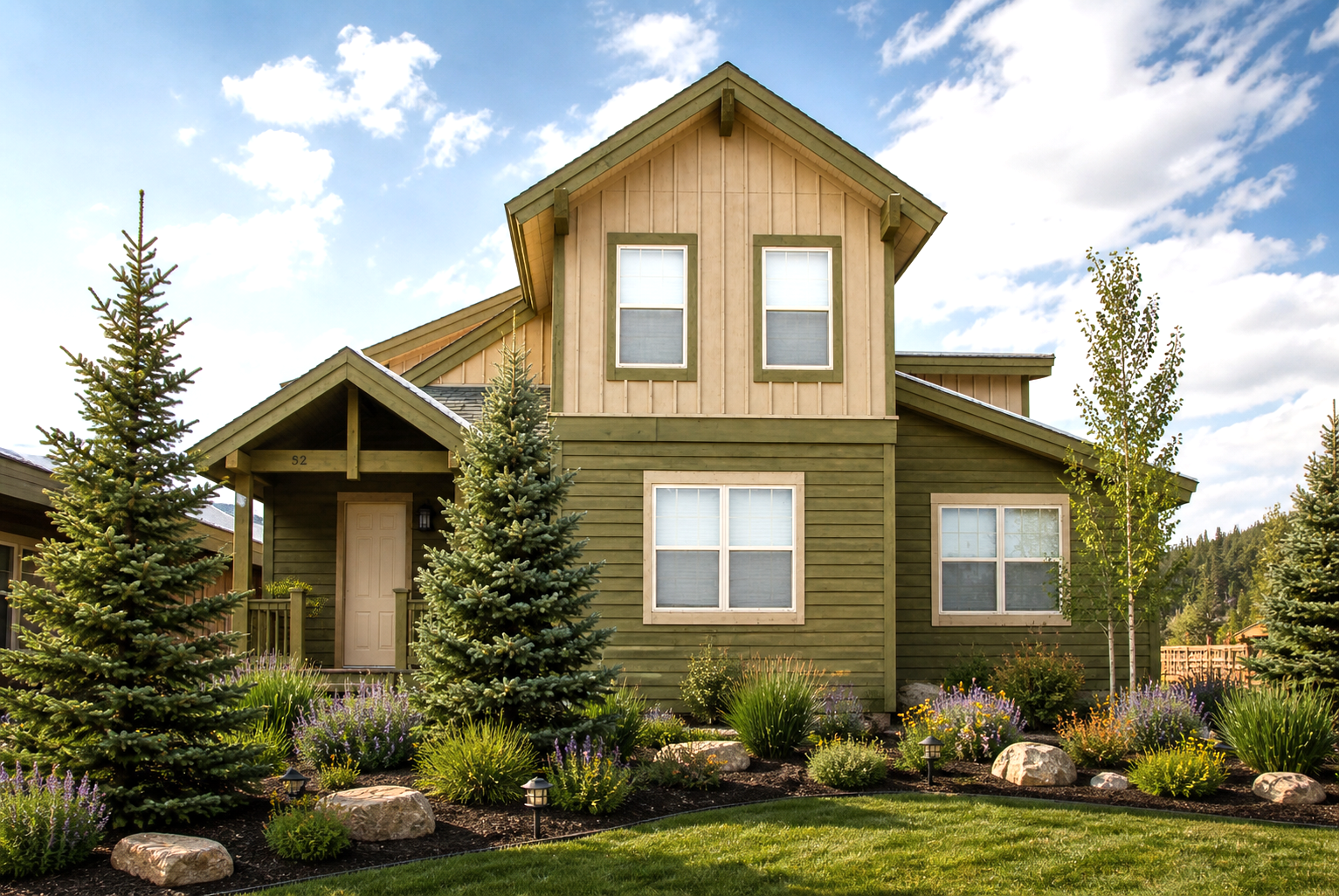
How Factory Construction Supports Energy Performance
Your home is built in sections inside a climate-controlled factory, where insulation is installed in wall cavities, floor systems, and roof assemblies before any exterior sheathing goes on. Crews use jigs and templates to ensure consistent spacing and alignment, which reduces gaps and thermal bridges that can develop when framing happens outdoors in changing weather. Windows are installed and sealed in the factory, and air barriers are applied before modules are transported to your site.
After installation, you will notice that your home maintains even temperatures throughout rooms, heating and cooling systems run less frequently, and drafts are minimal even during high winds. Kopper Creek Building LLC works with you to select insulation types, window ratings, and HVAC systems that match your climate zone and usage patterns. Tight construction and quality control reduce the chance of settling, air leaks, or moisture intrusion that can degrade energy performance over time.
This method does not eliminate the need for proper site orientation, foundation insulation, or ductwork design. Those elements still affect overall efficiency. Factory construction ensures that the building envelope itself is assembled with precision and protected from weather exposure during the critical phases when insulation and air sealing are installed.
What Homeowners Ask About Energy-Efficient Modular Homes
Homeowners often want to know how factory construction affects energy performance and what specific features contribute to lower utility costs.
What makes factory-built homes more energy efficient than site-built homes?
Controlled construction conditions allow crews to install insulation without gaps, seal air leaks more effectively, and protect materials from moisture during assembly. Precision and quality control are easier to maintain indoors.
How does insulation perform in Colorado's climate?
High-performance insulation in walls, floors, and ceilings reduces heat loss during cold months and limits heat gain during summer. Proper installation in a factory setting ensures insulation fills cavities completely without compression or gaps.
When should I consider upgrading windows or HVAC systems?
Upgrades make sense when you want to reduce energy costs further or when your home design includes large window areas or open floor plans that increase heating and cooling loads.
Why does air sealing matter for energy efficiency in Montrose and the Western Slope?
Air leaks allow heated or cooled air to escape and outdoor air to enter, forcing your HVAC system to work harder. Factory construction allows for tighter air sealing because assembly happens in controlled conditions.
How long does it take to see energy savings after moving in?
You will notice lower utility bills within the first heating or cooling season. Actual savings depend on insulation levels, window performance, HVAC efficiency, and how you use the home.
If you want a home that delivers consistent comfort and lower energy costs, reach out to review design options and efficiency features that fit your budget and long-term goals.